Water doesn’t politely announce its escape.
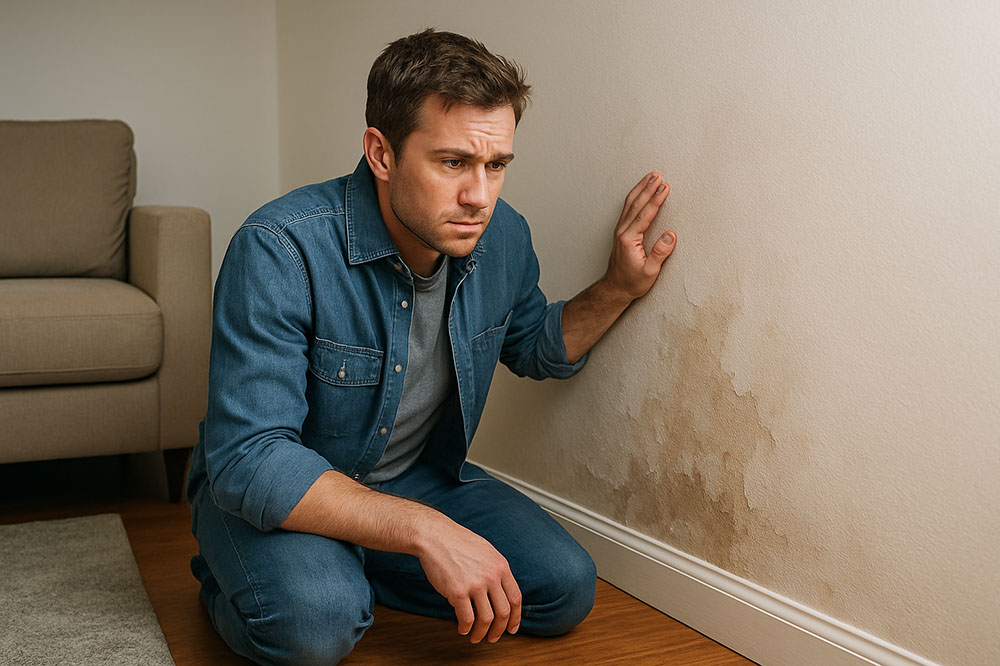
It creeps behind walls, seeps beneath floors, and spreads in silence until one day you notice warped wood or a spreading ceiling stain.
By the time most homeowners realize something’s wrong, the damage is already costly.
The real challenge isn’t fixing the leak.
It’s finding it before it gets that far.
This guide shows you exactly how to spot hidden water leaks before they wreck your home and your budget.
Why hidden leaks are dangerous
Hidden leaks aren’t harmless drips.
They erode the bones of your home, slowly and invisibly.
Wood swells, drywall softens, and in some cases, the foundation begins to crack.
On top of that, dark and damp conditions become breeding grounds for mold.
Left unchecked, mold colonies can spread in days, and once spores are airborne, they invade your HVAC system and affect the air in every room.
Then comes the financial toll.
Even a small hidden leak can waste hundreds of litres each year, sometimes several cubic metres before anyone notices.
Your monthly bill creeps upward, but it’s often dismissed until the numbers don’t make sense anymore.
And when the damage surfaces, repairs cost far more than a quick fix would have.
Catching leaks early isn’t just about convenience.
It’s about protecting your health, your home’s structure, and your wallet.
Common signs of hidden water leaks
Water leaves a trail.
The question is whether you notice it.
- Unexplained water bill increases: Even modest jumps can point to trouble
- Stains and discoloration: Yellow or brown patches on ceilings, walls, or floors signal water intrusion
- Paint or wallpaper changes: Bubbling, blistering, or peeling when humidity isn’t high
- Warped flooring: Wood or laminate that buckles or feels soft underfoot
- Persistent musty odors: Mold smells cling and don’t go away with cleaning
- Unexpected sounds: Faint dripping, hissing, or water running with all taps closed
Every one of these is a clue.
Ignore them and you risk a much bigger mess later.
Places leaks often hide
Certain areas are notorious for concealing leaks:
- Behind walls: Plumbing lines in bathrooms, kitchens, or laundry rooms are prime suspects
- Under floors: Slab leaks under concrete foundations can go undetected for months
- Near appliances: Dishwashers, washing machines, and fridges with ice makers often drip unnoticed
- In attics or basements: Few homeowners inspect these spaces often, making leaks easy to miss
- Around showers and tubs: Cracked grout or loose caulking allows water to seep in
Knowing these hotspots makes the search faster and more effective.
DIY methods to check for leaks
You don’t need specialized gear to start the hunt.
A few simple checks can tell you a lot:
- Water meter test: Shut off all faucets and appliances. If the meter still spins, water is leaking somewhere.
- Toilet dye test: Add food coloring to the tank. If the bowl shows color after 15 minutes, the flapper is leaking.
- Moisture meter: Inexpensive tools measure dampness inside walls or floors without opening them up.
- Crawl space or basement scan: With a flashlight, look for damp patches, dripping pipes, or mold growth.
- Check exterior faucets: A tiny drip outside often points to pipe damage that can extend inside.
These low-cost methods can expose problems early, often before any visible damage occurs.
Professional methods for detecting leaks
If your DIY checks suggest a leak but you can’t pinpoint it, professionals bring in advanced tools:
- Thermal imaging cameras: Detect cooler, damp spots in walls or floors where water is pooling
- Acoustic listening devices: Amplify subtle sounds of water moving through pipes, even underground
- Endoscopic cameras: Tiny cameras threaded into pipes or wall cavities provide a clear view of the source
- Moisture sensors and hygrometers: Track humidity levels to confirm if a wall or floor is wetter than it should be
- Pressure testing: Plumbers can isolate sections of piping and test water pressure to locate leaks precisely
While professional inspections cost more, they often save thousands by preventing hidden leaks from turning into large-scale damage.
Preventing hidden leaks
Finding leaks is good. Preventing them is better.
A few habits can dramatically cut the risk:
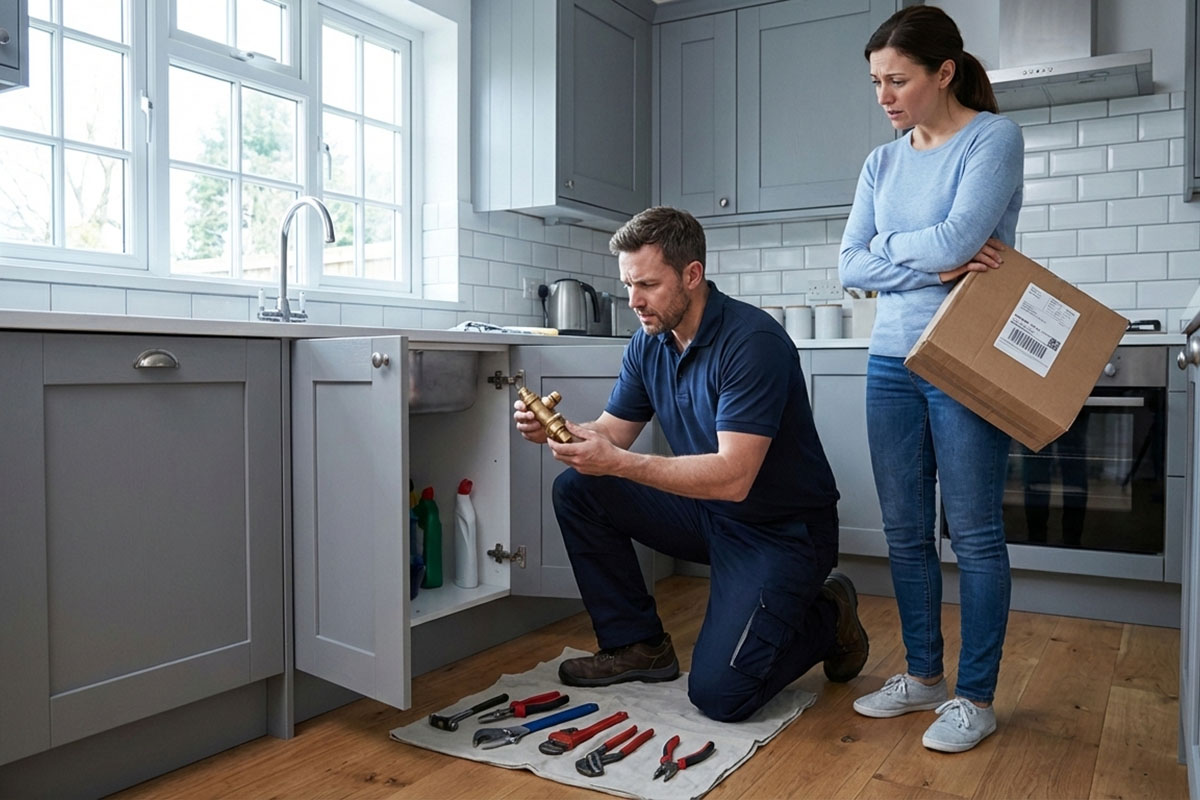
- Inspect fixtures often: Check under sinks, around toilets, and behind appliances for drips or corrosion.
- Monitor water pressure: High pressure puts extra strain on pipes. A simple gauge attached to an outdoor faucet shows if your pressure is in the safe 40–60 psi range. If it’s higher, install a regulator.
- Update old piping: Copper lasts about 50 years, galvanized steel around 20–50, and PEX or PVC up to 40. If your home is older, proactive replacement can prevent disasters.
- Seal grout and caulk: Bathrooms are leak magnets. Resealing grout and caulk every few years prevents seepage behind tiles.
- Install smart leak detectors: These sensors alert your phone at the first sign of water, even in out-of-sight spots like basements or under sinks.
Here’s where personal experience comes in: I once ignored a faint musty smell in a basement storage room, assuming it was just “old house odor”.
Months later, when moving a shelf, I discovered mold covering the drywall.
A leaking pipe joint behind the wall had been dripping slowly all along.
Repairing the pipe was easy.
Replacing the ruined wall and cleaning up mold wasn’t.
That one small oversight cost more than if I had simply placed a £30 water sensor in the room.
Prevention doesn’t require expensive technology. It requires attentiveness.
Water is patient.
It seeps, spreads, and destroys at its own pace, often long before you notice.
But you don’t need to wait for warped floors or peeling walls to sound the alarm.
By learning the warning signs, checking the right spots, and taking preventive steps, you can catch hidden leaks before they spiral into disasters.
Take an hour this week.
Walk through your home.
Run the simple checks.
And if something doesn’t look or smell right, investigate.
A little time now could save you a huge repair bill later.
Tags: hidden water leaks, how to find hidden leaks, signs of water leaks in walls, water leak detection, diy water leak test, plumbing leak behind walls, how to check for leaks under floors, professional water leak detection methods, MG0339