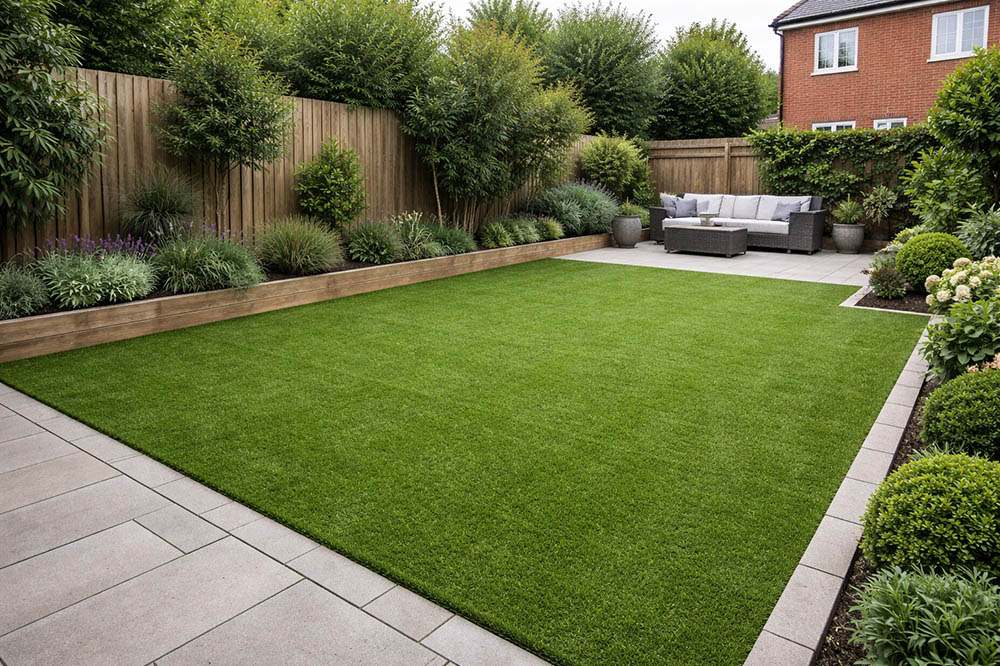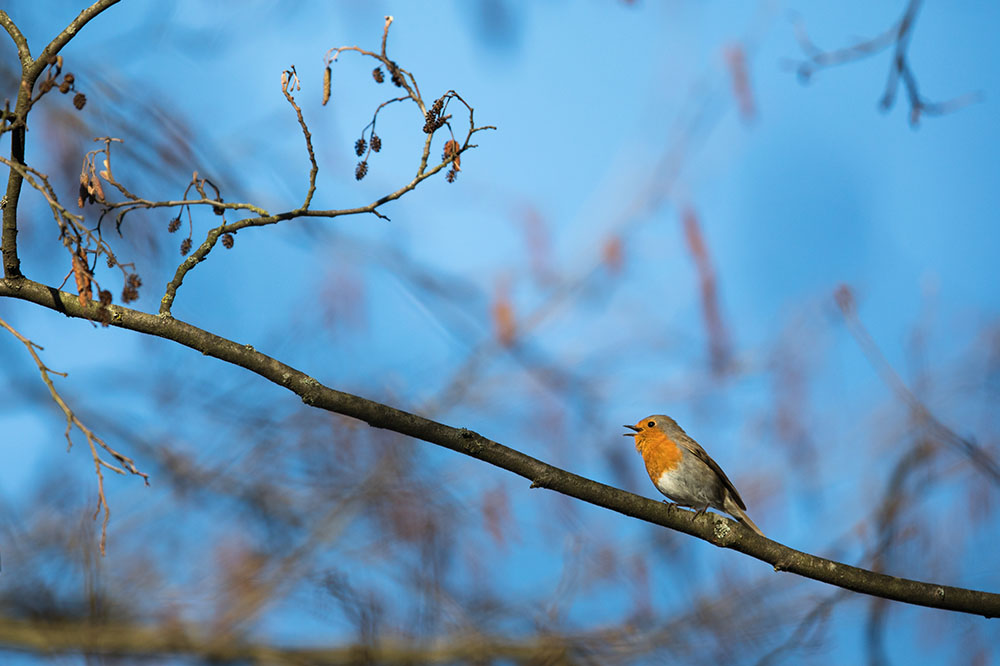
This is meant to be a home improvement blog. Timber, paving, drainage, the usual worries. Yet every winter I find myself standing in the garden with cold fingers and a mug going lukewarm, watching a robin glare at me from the fence or from a tree like I’ve parked on its drive. That little red chest has a way of cutting through lists and projects. You stop measuring, stop planning, and you listen.
Robins have that effect. They slip into gardens that feel half-finished, gardens with muddy borders and tools left out, and somehow make the place feel occupied. Not tidy. Occupied. And if you want one to stick around, really stick around, you need to shape the garden with its habits in mind. Not obsessively. Just thoughtfully, with a few allowances for mess and chance.
This isn’t about turning your plot into a nature reserve. It’s about small decisions, some deliberate, some lazy, that make a robin decide your garden is worth defending.
Why robins behave like they own the place
A robin doesn’t drift through your garden like a finch. It patrols. It watches you dig, hop-skips closer, head cocked, waiting for a worm you didn’t know you’d uncovered. That confidence comes from hunger mixed with routine. In colder months, especially during the odd stop-start winters we’ve been getting lately, food becomes unpredictable. Mild spells followed by hard frosts play havoc with insects.
Robins respond by singing. Loudly. In winter. A sound that feels out of season yet oddly reassuring when everything else has shut down.
They also don’t live long. Many never make it through their first year, and reaching two years is typical for the ones that do. Longer lives happen, but they’re the exception. That sense of urgency shapes how they use a garden. Easy meals, safe corners, quick shelter from a cat that appears like a bad thought.
Feeding robins without turning the garden into a battlefield
Robins eat insects by preference. That matters later. During winter they’ll take help, eagerly, with very little dignity.
Soft, high-energy food works best. Suet pellets scattered on a flat surface. A bird table that lets them stand upright rather than cling like an acrobat. I tried hanging feeders for years and wondered why the robins sulked beneath while blue tits treated it like a gym.
Mealworms cause excitement. Too much excitement. Soak dried ones overnight or they’re ignored. Fresh ones, if you’re brave enough to buy them, turn a robin into a stalker. I once had one following me from shed to compost heap, tail twitching, offended when I stopped producing worms on demand.
Avoid salty scraps. Cheese only if it’s low salt and grated fine. Clean feeders often. Winter birds are tough until they aren’t.
Ground feeding works, with care. Toss food to different spots each day. Fixed feeding points become ambush zones for cats, and robins learn fear fast.
Water matters just as much. A raised dish, refreshed daily. In freezing weather it can mean survival. I’ve cracked ice more mornings than I can count, the robin waiting a few feet away, unimpressed.
Nesting spots robins actually choose
People buy neat little nest boxes and feel pleased. Robins sometimes agree. Open-fronted boxes, low down, tucked into dense cover. No higher than about two metres. Hidden, not exposed.
They also ignore them completely.
Robins nest in places that feel wrong to us. Old boots in sheds. Shelves. Letterboxes. I once found a nest inside a half-used bag of compost that had split at the top. They like stillness, partial cover, and access that feels slightly awkward.
If you’re open to odd solutions, hang an old kettle or teapot in a hedge. Leave a flower pot on its side beneath a shrub. Forget perfection. Robins won’t thank you for it.
They build with moss, leaves, wool, whatever sticks. Leave fallen leaves in borders. Let moss sulk in the lawn. Pick up sheep’s wool on walks and drape it somewhere dry. It vanishes quickly.
Plants that make a garden feel safe
Evergreens do the heavy lifting. Dense ones. Spiky ones. Holly earns its keep here, prickly enough to put off predators and thick enough to hide a nest. Ivy, left to do its thing, creates layers of cover that robins use year-round.
These plants also feed insects. That matters more than berries alone.
Deciduous shrubs with berries help when insects vanish. Elder. Guelder rose. Spindle. Crab apples that hang on into winter are quietly valuable. Robins aren’t fruit mad, though they’ll take what’s there when options narrow.
Mixed hedges work better than bare fencing. Hawthorn brings thorns, insects, and berries in one untidy package. It scratches your arms and rewards birds generously.
Insects: the real reason robins stay
If there’s one change that shifts everything, it’s stopping the war on insects. No sprays. Less digging. More tolerance for things crawling where you didn’t invite them.
Long grass patches hide beetles. Seedheads left standing shelter larvae. Log piles rot slowly and become spider hotels. A dry-stone wall, even a short one, creates cracks and damp pockets insects adore.
Trees matter. Willows and birch host staggering numbers of invertebrates. Even a young tree helps. Robins know this before we do.
Soil health shows up above ground. No-dig beds hold more worms. Compost made with restraint, not sterilised, supports life. Watching a robin tug a worm free from soil you’ve tried to improve feels oddly validating.
Robins raise several broods in a year. Feeding chicks is relentless work. Hundreds, sometimes well over a thousand mouthfuls across a long day. Worms, spiders, caterpillars. If your garden supplies that, they’ll defend it like a jealous landlord.
Feeders, tables, and the layout problem
Robins like to feed upright. Flat surfaces suit them. Covered tables help against aerial threats. Open trays hung low work if they feel close to cover.
They dislike being watched from above. Place feeders near shrubs or hedges so they can dart back if needed. Space matters more than quantity.
Cats change behaviour instantly. Raised water stations reduce risk. Ground feeding becomes tense. You’ll notice a robin pause, scan, then decide. Respect that instinct.
A garden that feels lived in
There’s a moment, usually late winter, when a robin sings from a bare branch while frost still clings to the lawn. The garden looks half asleep. And yet it isn’t.
Robins reward gardens that feel used rather than staged. Muddy patches. Tools leaned where they shouldn’t be. Borders not cut back on schedule. These small lapses create opportunity.
I’ve planned patios while a robin perched on the handle of a spade, scolding me. I’ve abandoned jobs halfway through because the light shifted and the bird kept singing, louder, as if making a point I wasn’t meant to miss.
Attracting robins isn’t complicated. It’s permissive. Food offered sensibly. Shelter that isn’t pristine. Plants that do more than look polite. In return, you get company through winter, a watchful presence in summer, and a garden that feels, somehow, less empty even when you’re not in it.
And that’s a form of home improvement no catalogue ever sells.
Frequently asked questions
Q: What food attracts robins in winter?
A: Suet pellets and soaked mealworms are two of the best options for feeding robins in winter in the UK. Offer small amounts little and often, and keep feeders clean.
Q: Do robins prefer bird tables or hanging feeders?
A: Robins usually prefer bird tables or flat feeders because they like to stand while feeding. Place feeding spots near cover so they can retreat quickly.
Q: Should I feed robins on the ground?
A: Ground feeding can work, but scatter food in a different place each day to reduce risk from predators. Avoid leaving large piles of food in one fixed spot.
Q: What kind of nest box is best for robins?
A: An open-fronted nest box placed low (up to about 2 metres) and tucked into dense cover suits robins best. Position it where it is sheltered from wind and direct sun.
Q: Where do robins nest if they don’t use a nest box?
A: Robins often choose sheltered, quiet spots such as sheds, dense hedges, or hidden corners around the garden. They may also use unusual spaces if they feel safe and undisturbed.
Q: What plants help attract robins to a garden?
A: Dense evergreens like holly and ivy provide shelter and nesting cover, which helps robins feel secure. Mixed hedges also support insects that robins rely on for food.
Q: Do robins eat berries in winter?
A: Robins will eat berries when insects are scarce, especially in autumn and winter. Plants like elder, guelder rose, spindle, and crab apples can provide useful seasonal food.
Q: How can I increase insects for robins without pesticides?
A: Leave some long grass, keep seedheads over winter, and add log piles to create habitat for beetles and other insects. Improving soil with compost and disturbing it less can also support worms.
Q: Do robins need water in cold weather?
A: Yes, fresh water helps robins drink and bathe, especially during frosts. Use a raised water dish and refresh it daily, breaking any ice as needed.
Tags: attract robins, robin friendly garden, feeding robins winter uk, robin nesting ideas, garden birds uk tips, insects for garden birds, bird friendly planting uk, robins in winter garden, wildlife gardening advice, home improvement garden birds, MG0362