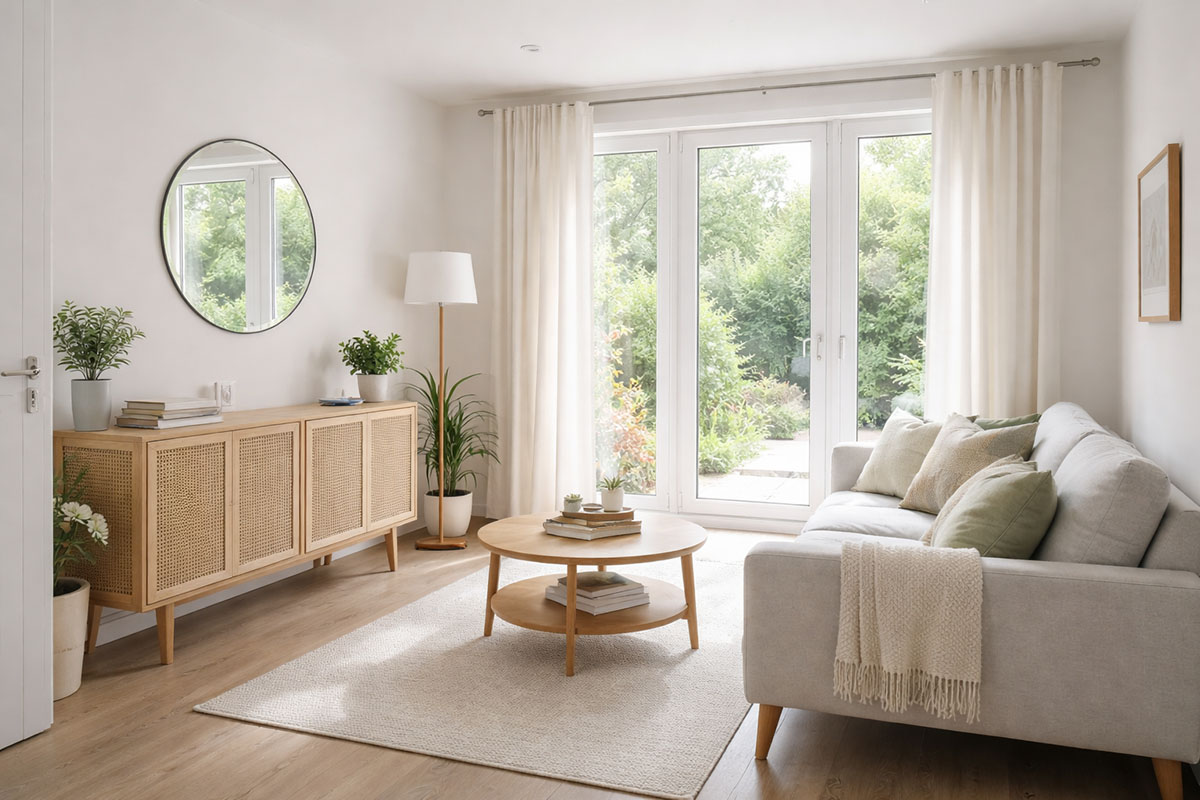
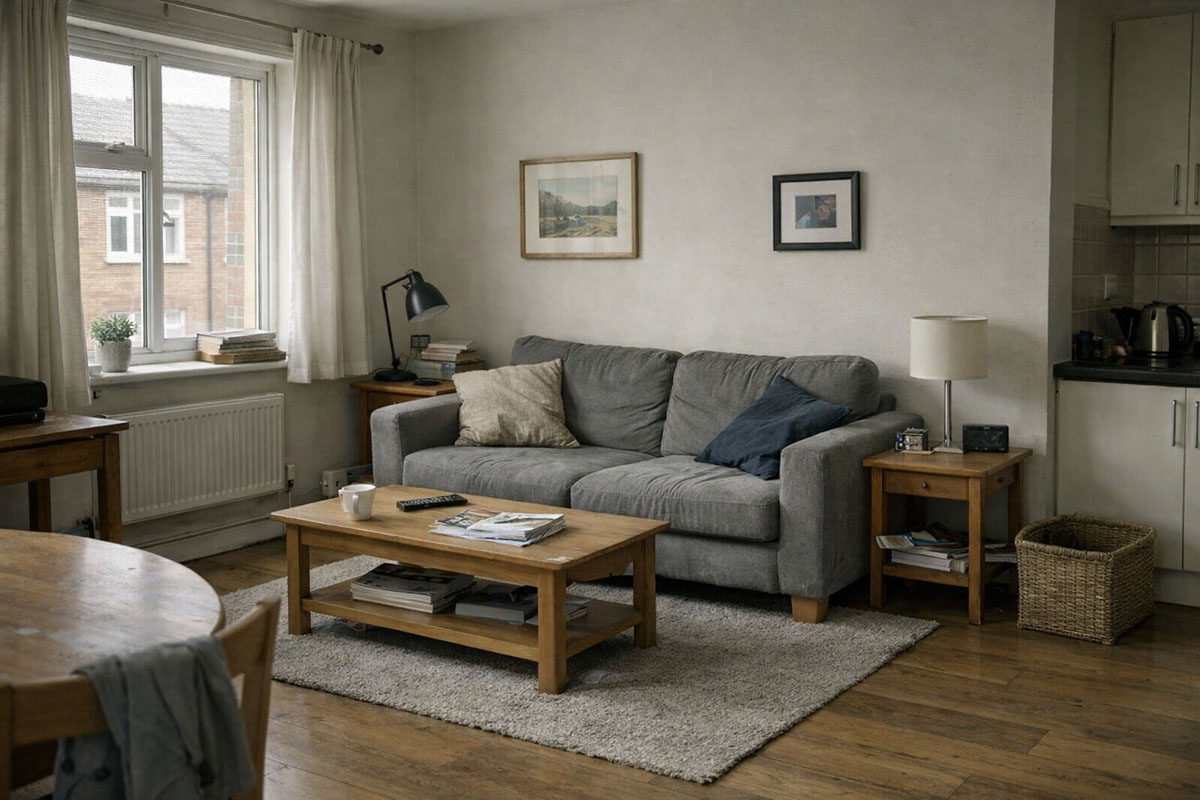
Moving into a new build should feel like a win. Fresh plaster, straight walls, doors that close without a shove. Then, a few weeks into living in your new build home, something nags. The place feels polite. Over-smoothed. A bit like a show home that’s forgotten to live. I’ve been there. Twice. And I remember standing in the hallway one evening thinking, this house doesn’t dislike me, it just doesn’t know me yet.
This is about nudging a new build away from that anonymous feel and towards something with personality. Not a makeover weekend with ten trades turning up at once. Slower moves. Some practical, some emotional, a few slightly indulgent.
Start with the bones you actually see
Most new build houses are trimmed to a price. Skirtings that barely exist. Architraves so thin they look apologetic. Doors that feel light in the wrong way, you shut them and there’s a hollow sound that reminds you of a cheap cupboard.
If budget allows, swapping these out changes everything. Taller skirting boards with a bit of shape, nothing fussy, just more presence. Architraves with depth. Doors with weight. Even painted ones, as long as they feel solid when your hand meets them.
A joiner helps, though I’ve also lived with mismatched upgrades room by room. The dining room done first, the spare bedroom waiting its turn. That gap doesn’t hurt. It adds a strange sense of progress, like you’re getting to know the house gradually.
Small metal details, big shift in mood
When replacing major joinery feels too far off, look at what you touch every day. Door handles. Hinges. Light switches. These are often satin chrome by default, chosen by developers who want neutral and safe finishes in new build properties.
Swap them. Antique brass, dark bronze, even unlacquered finishes that age with fingerprints and time. The difference is immediate. The house feels less showroom, more lived-in. Slightly moody. Warmer in tone.
I once changed just the door furniture, nothing else, and a friend walked in and asked if we’d redecorated. We hadn’t. The metal had done the talking.
Light switches matter too. Flat white plastic fades into the wall in a dull way. Chunkier plates, subtle texture, even a faint sheen, they catch the eye without shouting. I like the click of a heavier switch. It’s irrational. Still true.
Look up, the ceiling is waiting
Ceilings in new builds are often ignored. Plain, flat, no transition where wall meets ceiling. Adding a cornice shifts proportions in a room, even a modest one.
Plaster rather than lightweight DIY options feels better. A simple curve, something restrained. You don’t want to recreate a Victorian parlour in a 2025 estate house. Still, that soft line at the top of the wall changes how light behaves, how the room settles in the evening.
If full cornicing feels like a stretch, consider picture rails or ceiling roses in selected rooms. Dining rooms take to them well. Bedrooms too, especially with calmer colours.
Wallpaper, used properly, no half measures
Feature walls rarely work. They look undecided, like the room lost confidence halfway through. If you choose wallpaper as part of your new interior design, commit. Paper all the walls in that space. Let the pattern wrap around you.
Muted florals, hand-drawn geometrics, even textured papers that feel almost like fabric. In a snug or study, this creates a cocooning effect without trying too hard. Yes, it’s a bit bold. That’s the point.
I avoided wallpaper for years, convinced it was high maintenance. Turns out I just hadn’t found the right designs. The right paper makes a room feel finished in a way paint struggles to match.
Windows dress the room, or undress it
Blinds are convenient. Roman blinds look tidy. They also flatten a room. Full-length curtains change proportions, they soften sound, they move when you walk past.
Interlining matters. It gives weight, helps curtains fall properly, keeps the room warmer too. Even in modern houses built under newer insulation rules, fabric adds comfort in a way numbers on a spec sheet never mention.
Layering works here. Sheer curtains behind heavier ones. Slight colour differences. A bit of texture. The room starts to feel intentional rather than assembled.
Floors aren’t background, they’re emotional
New builds often come with practical flooring choices. Hard-wearing, neutral, slightly cold underfoot. Rugs help. Big ones. Larger than you think.
A rug that anchors furniture, rather than floating in the middle like an afterthought, gives rooms a sense of purpose. Mix textures. Wool, jute, something with a low pile where chairs move.
I once bought a rug that clashed slightly with the sofa. On paper, wrong. In real life, it made the room feel alive. Perfect matches can feel sterile.
Colour isn’t just paint, it’s temperature
White walls reflect light. They also reflect indecision. Introducing colour doesn’t mean bold statements everywhere. Muted greens, soft clay tones, inky blues used sparingly.
Paint ceilings. Paint woodwork. Sometimes painting everything in one colour brings calm, even though it sounds counterintuitive. Rooms feel enclosed in a good way, like they’re holding you.
Recent paint trends lean towards earthier shades, less grey, more warmth. That suits new builds well, especially as the light in modern estates can feel sharp during the day.
Furniture with a past, or at least a story
Brand-new furniture in a brand-new house can feel too coordinated. Mix in older pieces. A sideboard that’s seen better decades. A chair with worn arms. These pieces carry visual noise, and that noise is comforting.
I’ve dragged battered tables home from auctions, convinced they’d fit, only to realise they didn’t. Still kept them. They found another room eventually. Houses forgive mistakes. People forget that.
Let the house evolve, unevenly
There’s pressure to finish everything quickly. To have the house “done”. I don’t buy that. Homes work better when they’re allowed to grow sideways, with pauses, wrong turns, second thoughts.
A new build starts blank. That’s its weakness and its advantage. Add weight where things feel light. Add softness where edges feel sharp. Leave some bits unresolved. They’ll tell you what they need later.
And when someone walks in and says the place feels welcoming, slightly unexpected, maybe even a bit contradictory, you’ll know you’re on the right track.
Frequently asked questions
Q: How can I add character to a new build house on a budget?
A: Start with high-impact swaps like door handles, hinges, and light switches, then add warmth with a large rug and full-length curtains. These changes can make a new build feel more lived in without major work.
Q: Do deeper skirting boards and architraves really make a difference in a new build?
A: Yes, taller skirtings and chunkier architraves add visual weight and help rooms feel less “builder standard”. Even doing one room at a time can shift the overall feel of the house.
Q: What door upgrades help a new build feel less hollow?
A: Replacing lightweight internal doors with more solid options improves sound, feel, and presence. If a full swap isn’t possible yet, upgrading ironmongery in antique brass or bronze can still change the mood.
Q: Is cornicing worth adding in a modern new build?
A: A simple plaster cornice can soften the wall-to-ceiling line and make a room feel more finished. Choose a restrained profile so it suits modern proportions.
Q: Should I use wallpaper on one wall or all walls in a room?
A: If you’re using wallpaper, papering all the walls usually looks more intentional than a feature wall. It’s a strong way to add depth and personality to a new build room.
Q: Are curtains better than blinds for adding warmth to a new build?
A: Full-length, interlined curtains add softness, improve acoustics, and make spaces feel calmer. Blinds can still work, but curtains often bring more character.
Q: What paint colours work best to make a new build feel cosy?
A: Warmer neutrals, soft greens, clay tones, and deeper blues tend to suit new builds and reduce that flat, clinical feel. Testing in different light is key, especially in bright modern rooms.
Q: How do I stop a new build from feeling like a show home?
A: Mix in pieces with age or texture, and avoid making everything match. Layering textiles, varying finishes, and upgrading a few details helps your home feel personal rather than staged.
Tags: new build interior ideas, how to make a new house feel homely, uk home improvement blog, new build decorating tips, changing skirting boards new build, wallpaper ideas for modern homes, making a new house feel lived in, new build house character ideas, MG0364