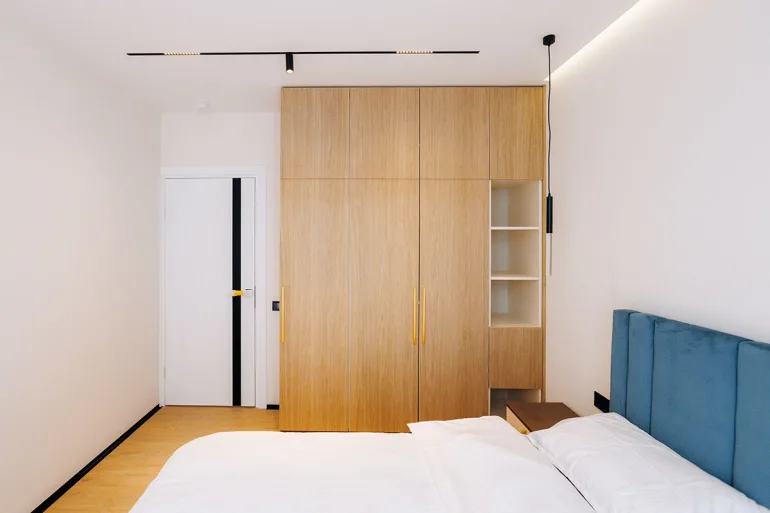
“Why is it louder at night when the world is supposed to be quiet?”
That’s the thought that hits you at 2 a.m. when a lorry rumbles past, brakes squeal, or some stranger laughs too loudly outside. Sleep shattered. Brain buzzing. And tomorrow you’ll pay for it.
If you’ve ever laid there wondering how to turn your bedroom into the quiet retreat it should be, you’re not alone. The good news: you don’t need to splash thousands on professional soundproofing. With some clever, affordable bedroom soundproofing ideas, you can cut the street noise enough to sleep soundly again.
Understanding street noise and why bedrooms suffer most
A bedroom amplifies sound because it’s designed for quiet. What fades into the background in a kitchen feels sharp and intrusive when you’re trying to drift off. Cars, buses, late-night chatter, even a dog barking a few doors down can pierce thin walls or leaky windows.
Here’s the blunt truth: you’ll never erase noise completely unless you rebuild the room from the ground up. But you don’t need to. Plug the weak spots and layer in density, and the noise drops to something you can live and sleep with.
Street noise sneaks in through three main routes: windows, doors, and thin walls. Sometimes even floors if you’re in a flat. Think of sound as water. It seeps through any crack, amplifies in hollow spaces, and reverberates if the surfaces are hard. The trick is to stop the leaks and thicken the skin of the room. You won’t block every decibel, but you can make nights bearable again.
Affordable soundproofing quick wins
Start simple. Before spending big, try the quick fixes that deliver noticeable results:
- Heavy curtains: Go thick, lined, and ideally floor-to-ceiling, as they’re one of the cheapest ways to soundproof a bedroom in the UK. Curtains aren’t just for blocking light; they absorb and deaden outside sounds. A pair from a budget homeware shop can slash sharp street noise by a surprising margin.
- Rugs and carpets: Wooden floors and laminate bounce sound around like a drum. A deep rug softens echoes and absorbs vibration. Extra underlay helps even more. Bonus: warmer feet in winter.
- Furniture placement: A full wardrobe or bookshelf against a noisy wall adds instant density. Mass matters. Every kilo of wood or paper between you and the street is another layer of protection.
- Door sweeps and draft excluders: It’s shocking how much noise travels under doors. Fit a simple rubber sweep or, in a pinch, shove a rolled towel along the gap. Instant difference.
These aren’t glamorous solutions. But they stack. Add three or four of these changes and you’ll feel the shift the very first night.
Windows: the weak point you can’t ignore
Windows are the thinnest part of your bedroom’s skin. Single glazing especially does little more than slow the air down. That’s why the biggest bang for your buck often starts here.
- Seal the gaps: Even a 2mm crack lets noise through like a funnel. Acoustic caulk or weatherstripping tape is cheap and easy to apply. It’s a Saturday job with immediate payoff.
- DIY secondary glazing: You don’t need to replace the whole unit. Magnetic secondary glazing kits or clear acrylic sheets fixed inside the frame add an extra barrier. Expect to spend £150–£300 per window if you go for a kit, or less than £50 if you DIY with acrylic and magnetic strips. Either way, you mimic the air gap that makes double glazing effective.
- Window inserts: A mid-range solution. Removable inserts clip in to create a sealed air cushion. They’re pricier than DIY acrylic but cheaper than full double glazing.
How much difference does this make? A single-glazed window lets through around 30 dB of noise. Add secondary glazing and you can cut 10–15 dB. That’s the difference between hearing every lorry gear shift and barely noticing background traffic.
Budget-friendly DIY projects
If you’re handy with tools, the DIY route can stretch your money much further.
- Acoustic panels: Build a timber frame, fill it with mineral wool (or Rockwool), wrap it in breathable fabric, and staple it tight. Hang it like a piece of art. Cost: around £25–40 per panel. These absorb sound waves inside the room, making outside noise feel duller and less piercing.
- Bookshelves as sound barriers: Fully loaded shelves aren’t just storage. Paper absorbs vibration and wood adds mass. Shove a couple of full shelves against a shared or street-facing wall and you’ve built a noise buffer.
- Layered rugs with underlay: For upstairs flats, a thick rug plus underlay reduces not only echoes but also vibrations from traffic below.
A quick story: I once helped a neighbour looking for cheap ways to soundproof a bedroom whose window backed onto a bus stop. Every time the buses braked, her room rattled. We built two 120cm by 60cm acoustic panels on a Saturday. Total spend: about £60. The next week she told me it felt like moving house without moving.
Everyday hacks that cost almost nothing
Sometimes you just need fast relief. These ideas are cheap, temporary, and effective:
- Blankets as makeshift panels: Pin thick blankets over doors or windows when the street is at its worst. Not pretty, but effective.
- Towels at the door base: A five-second fix if you’ve got nothing else. Stops the draft and muffles sound.
- Noise masking: A cheap fan, a smartphone app, or a £20 white noise machine can be a surprisingly effective DIY soundproofing hack for bedrooms in noisy areas, tricking your brain into tuning out disruptive spikes.
Are these perfect? No. But they can turn a restless night into a decent sleep until you’re ready to invest in bigger changes.
What if it’s still not enough?
For heavy traffic areas or houses with thin Victorian walls, cheap fixes may only get you so far. That’s when mid-range or professional upgrades step in:
- Double glazing: More expensive, but a long-term win for both sound and insulation, especially if you want professional-level bedroom soundproofing.
- Acoustic plasterboard: Adds mass to thin walls, especially useful if your bed is against a street-facing wall.
- Solid-core doors: Swap a hollow door for a solid one and you’ll instantly feel the difference.
But ask yourself this: do you really need to go that far? For many people, £200 worth of curtains, sealing, and panels gets them 80% of the benefit without touching a window installer’s catalogue.
Cost-to-impact cheat sheet
Here’s a quick cost guide to help you plan an affordable soundproofing project for your bedroom:
- Under £50: Door sweeps, draft excluders, thick curtains, rugs. Noticeable but partial improvement.
- £100–300: DIY acoustic panels, secondary glazing kits, rearranging furniture. Serious improvement, often enough for most bedrooms.
- £500+: Professional double glazing, solid-core doors, acoustic plasterboard. Bigger investment for those facing relentless noise.
This way you can decide how much silence is worth, without guessing.
Noise at night chips away at more than just sleep. It gnaws at focus, patience, and even health. But you don’t need a contractor’s budget to fight back. With some smart layering, a curtain here, a seal there, a homemade panel on the wall, you can claw back the peace you deserve.
So don’t just grit your teeth and accept the racket. Try one method tonight. Notice the difference. Then add another until your bedroom feels like the quiet retreat it should have been all along.
Tags: soundproof bedroom, cheap soundproofing bedroom uk, affordable soundproofing, block street noise, diy bedroom soundproofing, cost effective soundproofing, how to soundproof a bedroom, noise reduction for bedrooms, secondary glazing soundproofing, affordable ways to block noise, MG0350