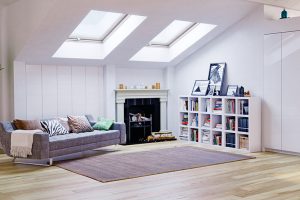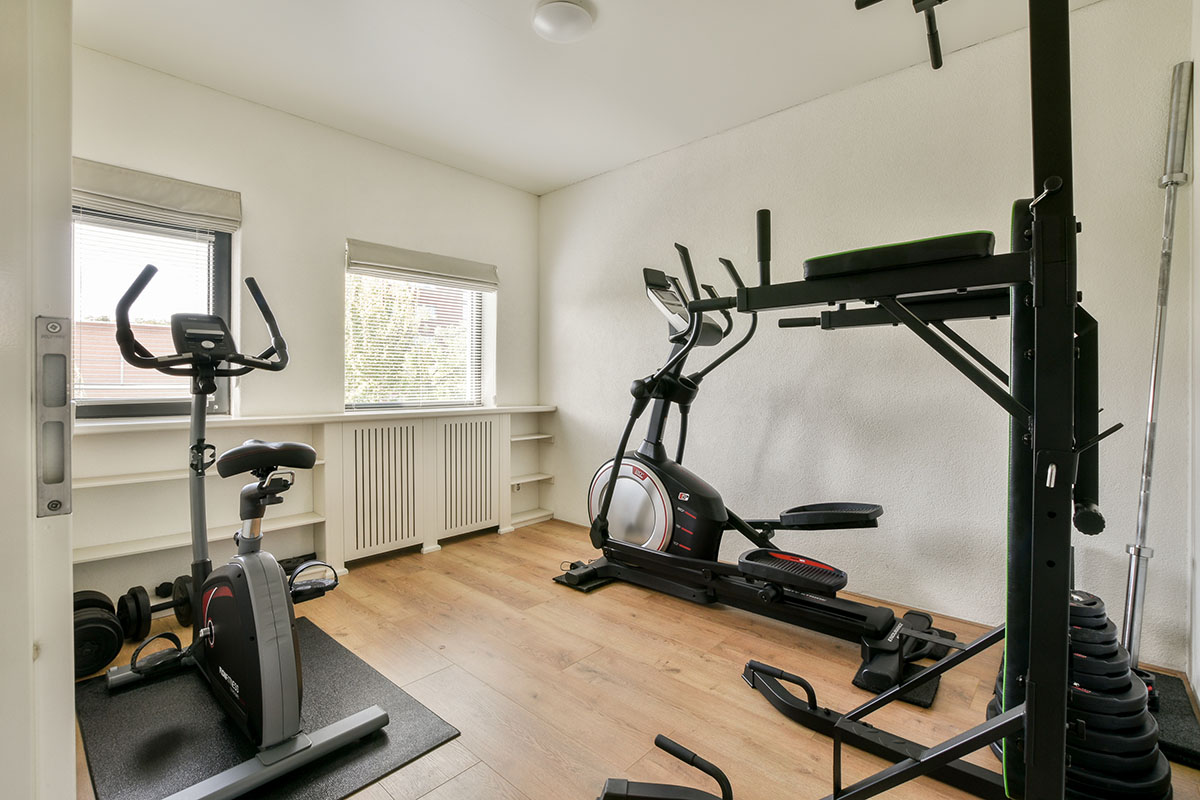
I’ve lost count of how many spare rooms across the UK have turned into half-hearted storage spaces. Old suitcases, a wobbly chair, a treadmill folded up like a guilty secret. Then one wet Tuesday you realise this room could sweat back. That’s where a home gym begins, not with shiny kit or Instagram angles, but with a bit of irritation and a flash of ambition that feels huge and silly at the same time.
A home gym is simply a space you claim. Sometimes it’s the box room, sometimes the garage that smells faintly of oil and lawn clippings. Equipment helps, yes, yet the real shift is mental. You stop waiting for perfect conditions. You train in socks if you want. Or boots, once, by mistake. Awkward. Still counts.
How much space do you really need?
This question gets asked in a very British way. Quiet panic, tape measure in hand.
You can train in less room than you expect. I started with a mat squeezed between a wardrobe and a radiator, about 2 square metres. It worked, sort of. For stretching, press-ups, half-hearted planks where the cat judged me.
Once machines enter the picture, space vanishes fast. A home gym bike or treadmill needs clearance around it, not just for safety, also for your sanity. Bashing your elbow mid-run kills momentum in a way that lingers all day. Depending on the model, allowing a few clear square metres per machine usually keeps things usable and your head calm.
Weight training wants more respect. If you’re using dumbbells or eyeing a leg press, arms and legs swing wide. A room somewhere around the 8–10 square metre mark often feels comfortable for free weights, while less can feel tense if you’re not careful. Ceiling height matters too. Overhead presses under low plasterboard ceilings teach fear.
Why people stick with a home gym (even when motivation dips)
Commercial gyms promise energy, noise, mirrors. Home gyms promise convenience and then quietly test your discipline.
What keeps people going is time. Or rather, the lack of wasted time. No traffic, no queues, no pretending you enjoy piped music. I once trained at 11:40 pm because sleep wouldn’t come. That would never happen elsewhere.
Privacy plays tricks on the mind. Some days it feels freeing, other days oddly lonely. Still, you wear what you want, swear if needed, stop mid-set to answer the door. Flexibility wins most weeks.
Money gets mentioned a lot. A home gym system costs upfront, yes, yet over years it can soften if it’s actually used. No monthly fees draining away unnoticed. No guilt payments when life gets busy. The maths only works if the room doesn’t quietly revert to storage.
Equipment choices that don’t age badly
Buying home gym equipment can feel overwhelming. So many promises, so many chrome finishes. Start slower than you think.
Adjustable dumbbells are often worth it. They grow with you, adapt to small rooms, and tend to outlast trendier kit if you buy halfway decently. Resistance bands look harmless yet bite back. A simple bench opens more exercises than expected.
Cardio? Choose what you’ll tolerate. A home gym bike suits many homes because it’s quieter and compact. Treadmills feel dramatic, loud, sometimes neglected after January fades.
A home gym cable machine adds variety without swallowing the room. It’s one of those pieces that looks optional until you use it daily. Smooth, forgiving, versatile, assuming you choose one sized for a real house rather than a showroom.
As strength improves, curiosity creeps in. A leg press tempts with comfort and weight without balance demands. Some love it, some ignore it after the honeymoon phase. Be honest with yourself here.
This pile of gear becomes your home gym gear collection. Messy at times, inspiring at others.
Best home gym equipment for beginners (and for people restarting)
Beginners don’t need everything. Restarting after a long break feels similar, just with more caution.
The best home gym equipment at this stage stays simple: adjustable dumbbells, bands, a mat that doesn’t slide. Add a compact cardio machine if joints complain.
Avoid buying out of guilt. Buy out of curiosity. Equipment should invite use, not stare accusingly from the corner.
Flooring that saves joints and marriages
Home gym flooring matters more than it seems at first. Drop a dumbbell once on bare concrete and you’ll flinch forever after.
Rubber tiles remain the favourite. They cushion sound, protect floors, and survive abuse. Foam mats feel nicer for floor work yet compress under heavy loads. Cork sits somewhere in between, warmer underfoot, slightly precious.
If you’re training on carpet, protect it. Mats help, yet sweat finds a way. Smells linger. Trust me.
Choosing home gym flooring becomes a negotiation with the house itself. Noise, neighbours, the person upstairs watching telly.
Home gym ideas that fit real homes
Not every setup needs symmetry or matching colours. Some of the best home gym ideas come from compromise. Folding racks, wall-mounted storage, mirrors salvaged from elsewhere in the house.
Lighting changes everything. Cold bulbs sap energy. Warmer light softens harsh mornings. Music helps, sometimes silence works better.
Personal touches matter. A scuffed football poster, a timer that ticks too loudly, a notebook filled with crossed-out plans.
Home versus commercial kit
Commercial machines are built for punishment. Hundreds of users, daily wear, like you find at Fox Gym. Home versions focus on space, sound, comfort. Modern home gym equipment has improved a lot in the recent years: quieter motors, smarter consoles, fewer rattles.
For most homes, those trade-offs are acceptable. What matters is use. Dust-free handles beat unused perfection.
Final thoughts before you start rearranging furniture
A home gym changes how a house feels. Rooms gain purpose. Time bends slightly. Motivation rises and falls, sometimes in the same afternoon.
You don’t need perfection. You need permission, from yourself, to begin awkwardly, adjust often, and accept that some weeks feel flat. Then one evening, without much fanfare, you realise the space works. And you keep going.
Frequently asked questions
Q: What counts as a home gym in a UK home?
A: A home gym is any dedicated spot at home where you can train consistently, from a spare room corner to a garage bay, using home gym equipment that fits your routine.
Q: How much space do I need for a small home gym?
A: For a basic setup, allow around 2 m² for a mat and free movement. If you add machines, plan roughly 3 m² per item so you can use it safely.
Q: What is the best home gym equipment for beginners?
A: The best home gym equipment for beginners is usually adjustable dumbbells, resistance bands, and a stable exercise mat. Add one simple cardio option if you’ll use it regularly.
Q: Is a home gym bike a good choice for tight spaces?
A: Yes, a home gym bike is often compact and easier to live with than larger cardio machines. Leave enough clearance to mount, dismount, and pedal without clipping walls or furniture.
Q: Do I need a home gym cable machine?
A: A home gym cable machine can add a lot of exercise variety in one footprint, especially for pulling and pressing moves. It’s most useful when you want more options without buying many separate items.
Q: What flooring works best for a home gym?
A: Home gym flooring made from rubber tiles or mats is a common choice because it helps with grip, noise, and floor protection. Foam mats work well for floor workouts but can compress under heavy loads.
Q: Can I add a leg press to a home gym?
A: You can, but check the machine’s footprint and access space before buying. A leg press suits larger rooms or garages where you can move around it comfortably.
Q: What is a home gym system, and do I need one?
A: A home gym system is a multi-function setup that combines several exercises in one unit. It can be a good fit when space is limited and you want a single piece of home gym gear to cover more training options.
Tags: home gym equipment, best home gym equipment, home gym ideas, home gym flooring, home gym bike, home gym cable machine, home gym system, dumbbells for home gym, leg press, home gym gear, MG0365